The Question Nobody Asks at Dinner: A Gentle Guide to Gathering Your Family's Health History

Thanksgiving falls on November 26 this year, which means a lot of us will spend that afternoon in a room with people we love and see too rarely, eating too much and talking about football, weather, and somebody's new driveway.
Here's a question almost nobody asks at that table: has anyone in this family had a heart attack before fifty?
Pediatricians ask for family health history at nearly every well visit, and most of us answer from vague memory — a grandmother with something, an uncle who was sick, a cousin we're not sure about. That vagueness has real consequences. Family history shapes screening decisions, informs whether genetic counseling makes sense, and sometimes flags risks worth watching long before symptoms appear. In a few conditions, it's the earliest warning a family gets.
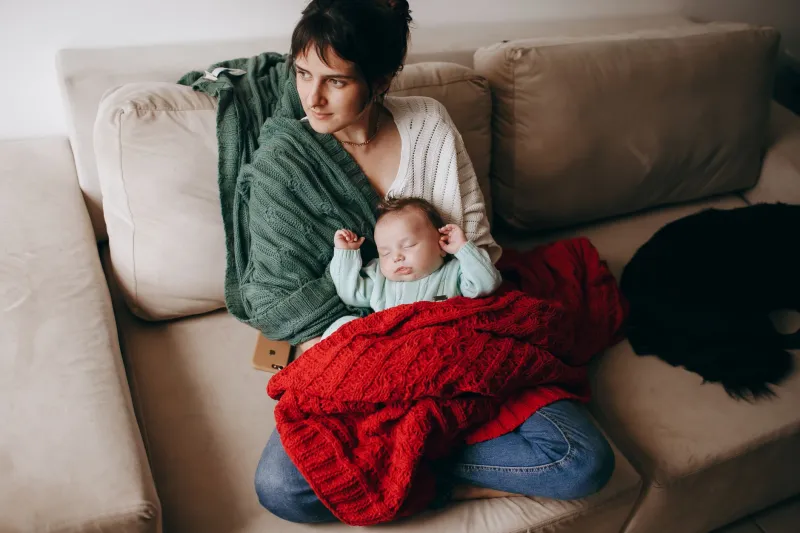
Mothers tend to end up as the default keepers of this information. Which means if you're the one fielding the pediatrician's questions, you're also the one who can quietly fix the gaps.
Why Nobody Asks
A few reasons people avoid the topic, all of them reasonable.
Some families simply don't talk about illness. Others have a relative who had something scary and don't want to bring it up at a happy occasion. Some of us fear prying into someone's private business, or worry about implying that we're assessing our own risk — or our children's.
Add older relatives who may use different words for conditions (a nervous condition, a touch of sugar, a bad heart) and the whole thing can feel like trying to translate a language nobody learned.
What helps is remembering this: most people are relieved to be asked, and even more relieved to be listened to. Family medical history is often closely tied to family stories, and older relatives frequently want those stories carried forward.
Start With Your Own Row
Don't open with an interrogation of Grandma. Open by filling in what you know about yourself and your partner first. Being able to say here's what I've got so far, help me fill in the blanks turns an interview into a collaboration.
A simple opener: I'm putting together a health record for the kids — their doctor keeps asking and I never have good answers. Can I ask you a few things while we're all here?
That framing does three useful things at once. It explains why. It puts the responsibility on the pediatrician, not on your curiosity. And it makes clear you're not diagnosing anyone, just recording.
Conversation Openers That Don't Feel Like an Interrogation
Timing matters more than wording. Aim for the lull after the meal, or a quiet moment in the kitchen with one person rather than a group.
Instead of Does anyone in the family have cancer? Try: Did your parents live to be old? What were they like at the end?
Instead of Any genetic problems? Try: Was there anything that ran in the family that everyone worried about?
Instead of What did Grandpa die of? Try: I never got the full story about Grandpa. Do you remember what happened?
Notice the pattern: ask about people, then about medicine. Stories open doors that checklists close. If you start with a warm question about a person, the medical detail usually follows on its own.
A particularly easy entry point: Was anyone ever in the hospital for something? Hospitalizations are memorable, concrete, and often unlock the rest.
When to Back Off
Some relatives won't want to talk, and that's their call. A death may still be raw. A mental health history may be something someone has spent decades keeping private. If you get a short answer or a subject change, let it go and try a different person or a different year.
Also worth knowing: you're not entitled to anyone's medical information, even a close relative's. Ask, thank them, and don't push. The record will still be useful with gaps in it.
What Actually Belongs in the Record
The details that matter to a clinician are more specific than a list of diagnoses. For each person, capture:
- Condition and age at diagnosis. Breast cancer at 38 is a different data point than breast cancer at 74.
- Cause of death and age at death, for parents, siblings, and grandparents.
- Hospitalizations and major surgeries.
- Mental health and substance use history, if the person is willing to share it.
- Pregnancy and childbirth complications, including preeclampsia, gestational diabetes, and preterm birth — these carry implications for daughters and granddaughters.
- Developmental, learning, and hearing or vision diagnoses in childhood, which are often the most relevant for your kids right now.
- Sudden death in a young or seemingly healthy relative, including drowning or unexplained car accidents. This is one of the details cardiologists most want to know and families most often leave out.
Three Generations, One Page
You don't need software. A single page works: three columns for your side, your partner's side, and your children, with rows for each relative. Write in pencil or a shared document you'll actually update. Note the date on it.
If you want something more structured, several national health organizations publish free family health history tools you can print and bring to appointments. Bring the page to your child's next checkup. Pediatricians will often copy it into the chart.
After the Table Is Cleared
A few follow-throughs make the effort stick. Update the record once a year — Thanksgiving itself is a convenient annual reminder. Share relevant findings with your own physician, not just your kids'. And if your record shows multiple relatives with the same cancer, or a relative diagnosed unusually young, ask your pediatrician whether a referral to a genetic counselor makes sense. That's a conversation worth having rather than guessing about.
Then thank the people who talked. Family health history is really family memory wearing a practical coat, and the relatives who share it are handing down something your children may use decades from now.